
A reliable laptop has become one of the most important tools for students today. Whether it’s writing papers, sitting through virtual classes, or wrangling group projects, having a computer that can handle daily academic tasks is pretty much essential. For students on a tight budget, finding a laptop that manages to balance performance and price without too many trade-offs is honestly a big deal.
Picking the right budget laptop means looking at a few key things. Performance is a big one—think processor (CPU), memory (RAM), and storage—since these really affect how smoothly everything runs for school tasks. Battery life and screen quality matter too, especially when you’re always on the move or stuck studying far from a power outlet. Build quality can make a difference for anyone who’s rough on their gear or just needs something that won’t fall apart after a semester.
Cost-effective laptops for students should offer dependable performance for everyday stuff like studying, note-taking, streaming, and maybe some light creative work. Paying attention to specs, build, and battery life helps make sure your laptop actually lasts through a few years of school. Here are some top picks in this category, with a quick look at what makes each one stand out.
Best Budget Laptops for Students
This list highlights the top budget laptops for students based on performance, reliability, and value. Each one offers features that support schoolwork, research, and daily tasks—without totally breaking the bank.
![Dell Inspiron 15 3000 3520 Business Laptop Computer[Windows 11 Pro], 15.6'' FHD Touchscreen, 11th Gen Intel Quad-Core i5-1135G7, 16GB RAM, 1TB PCIe SSD, Numeric Keypad, Wi-Fi, Webcam, HDMI, Black](https://m.media-amazon.com/images/I/51O3nNfyJPL._SL160_.jpg)
- 【15.6" Full HD Touchscreen】The 1920 x 1080 resolution boasts impressive color and clarity. IPS technology for wide viewing angles. Energy-efficient LED backlight. Designed with tiny rubber feet and bumpers on the hinge that keep it from skidding and provide additional stability.
- 【11th Gen Intel Core i5-1135G7 Processor】Ultra-low-voltage platform. Quad-core, eight-way processing provides maximum high-efficiency power to go. Your always-ready experience starts as soon as you open your device. Turn on, boot-up, and log-in quickly.
- 【16GB DDR4 RAM + 1TB PCIe SSD】16GB RAM can smoothly run your games and photo- and video-editing applications, as well as multiple programs and browser tabs all at once. A 1TB NVMe PCIe solid slate drive that leaves the power at your fingertips with the fastest data transfers currently available.
Dell Inspiron 15 3000 Laptop

The Dell Inspiron 15 3000 is a practical pick for students who want solid everyday performance and don’t want to pay extra for bells and whistles they’ll never use.
Pros
- Responsive touchscreen makes navigation quick and easy.
- Plenty of storage with fast load times.
- Handles homework and study tasks reliably.
Cons
- No backlit keyboard, so late-night typing isn’t ideal.
- Comes with some bloatware you’ll probably want to uninstall.
- A bit heavier than some other student laptops.
The Inspiron 15 3000 stands out for its touchscreen display and practical, student-friendly build. The touch input just feels natural, and the numeric keypad is handy for crunching numbers or filling out spreadsheets.
With a fast SSD, you won’t be waiting long for files or assignments to load. Multitasking is pretty smooth too—even with a bunch of browser tabs open. Battery life is decent for most classroom situations, but if you’re out all day, bringing a charger is probably smart. The lack of a backlit keyboard can be annoying in dim lighting, but overall, this Dell is a dependable choice if you’re watching your budget.

- 【High Speed RAM And Enormous Space】16GB DDR4 high-bandwidth RAM to smoothly run multiple applications and browser tabs all at once; 1TB PCIe NVMe M.2 Solid State Drive allows to fast bootup and data transfer
- 【Processor】i3-1215U Processor (6 Cores, 8 Threads, 10MB L3 Cache, Base Frequency at 0.9 GHz, Up to 4.4 GHz at Max Turbo Frequency), with Intel UHD Graphics
- 【Display】14.0-inch, FHD (1920 x 1080) 16:9 aspect ratio, IPS-level Panel, LED Backlit, 250nits, Anti-glare display
ASUS Vivobook 14” Budget Student Laptop

The ASUS Vivobook 14” is a solid, affordable pick for students who want reliable performance and plenty of storage, but don’t want to overspend.
Pros
- Lightweight and slim, so it’s easy to carry around.
- Good amount of RAM and storage for juggling files and apps.
- Handles most student tasks without much fuss.
Cons
- Touchpad can be a bit jumpy or imprecise.
- Definitely not meant for heavy gaming or creative software.
- The plastic build isn’t exactly premium.
If you need a straightforward laptop for classwork, research, and everyday stuff, the Vivobook 14” gets the job done. It’s perfectly fine for web browsing, writing papers, streaming videos, and running several apps at once. The lightweight design is a plus—you can just toss it in your bag and go. The SSD helps with fast startups and quick file access, so you’re not left waiting around. Battery life will last through a typical day of classes, but if you’re working late or on the go for hours, you’ll want your charger nearby.
The touchpad can be a little frustrating if you’re typing a lot or need precise cursor movement. This in-depth review points out the Vivobook’s practical design and everyday strengths, which really sums it up. If you’re after a budget laptop that covers the basics well, this model is worth a look.

- 【Processor】 Intel Core i3-1115G4 (up to 4.1 GHz with Intel Turbo Boost Technology, 6 MB L3 cache, 2 cores, 4 threads)
- 【Display】 15.6" diagonal, HD (1366 x 768), touch, micro-edge, BrightView, 220 nits, 45% NTSC, Touch Screen, enjoy your photos, movies, and games with the crisp quality.
- 【RAM and Storage】RAM is upgraded to 16GB high-bandwidth RAM to smoothly run multiple applications and browser tabs all at once; Hard Drive is upgraded to 1TB PCIe NVMe Solid State Drive allows to fast bootup and data transfer.
HP Pavilion 15.6″ Touchscreen Laptop

The HP Pavilion is a practical pick if you want a reliable touchscreen notebook that won’t cost a fortune.
Pros
- Plenty of memory and fast storage for multitasking.
- Touchscreen is handy for quick taps and swipes.
- Lightweight, easy to set up, and user-friendly.
Cons
- Screen resolution is lower than some other choices.
- No optical drive (but who really uses those now?).
- Not many Type-C ports—you might need an adapter.
The Pavilion 15.6″ touchscreen model is a good fit for students juggling online classes, assignments, and daily tasks. It’s not trying to be the most powerful machine out there, but it gets the basics right—quick boot times, a responsive touchscreen, and a setup that won’t leave you scratching your head.
Downsides? The display is bright and touch-friendly, but the resolution just isn’t as sharp as some others. And if you’re big on using modern accessories, you might find yourself wishing for more Type-C ports or reaching for a dongle. Still, if you care more about speed and storage than having a fancy screen or tons of ports, this HP should serve you well.
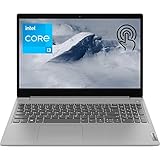
- 【High Speed RAM And Enormous Space】12GB DDR4 RAM to smoothly run multiple applications and browser tabs all at once; 256GB PCIe M.2 Solid State Drive allows to fast bootup and data transfer
- 【Processor】Intel Core i3-1115G4 3.00 GHz 2 Cores Processor (6MB Cache, up to 4.10 GHz), Intel UHD Graphics
- 【Dazzling Display】15.6" HD touchscreen display with narrow bezels
Lenovo IdeaPad 3i Budget Student Laptop

If you’re after an affordable laptop with good everyday performance and a touchscreen, the Lenovo IdeaPad 3i is worth considering.
Pros
- Touchscreen makes it easier to interact with apps and docs.
- Handles multitasking pretty efficiently.
- Sleek and lightweight—easy to carry on campus.
Cons
- Battery life isn’t great—expect to charge it fairly often.
- Screen resolution is just HD, not Full HD.
- Some users have mentioned hardware durability concerns.
With its modern design and dependable performance, the IdeaPad 3i is a good pick for students who need a laptop for note-taking, web browsing, and online lectures. The touchscreen is a nice bonus for this price range—makes swiping through presentations or documents pretty smooth. It’s got enough memory and storage to keep things running without hiccups.
At just over four pounds, it’s easy to lug around. The display is big, but don’t expect super crisp visuals. It feels sturdy enough, though if you’re rough on your tech, maybe keep an eye out for long-term wear. If you want more details on what it’s like to use day-to-day, this review covers the real-world experience.
Batteries could last longer, honestly—if you’re stuck in back-to-back classes without an outlet, it’ll probably need a top-up. There are occasional reports of display or hardware issues, so grabbing a warranty might not be a bad idea. Still, for the price, the IdeaPad 3i packs in features that fit student life pretty well.

- Do What You Do With Exceptional Performance: The 13th Gen Intel Core i5-13420H processor goes beyond performance to let your PC do even more at once. And Intel UHD graphics distribute performance where you need it most. With 16GB LPDDR5 memory and 512GB PCIe Gen 4 SSD storage—the Aspire 5 is made to do it all.
- Clear and Comfortable Viewing: Experience crisp, lifelike colors and sharp details on the 15.6” FHD IPS touch display. You have more space to work thanks to narrow bezels. Equipped with Acer’s suite of visual technologies for dynamic color optimization and viewing comfort.
- The Design: The slim 0.71" body give the Aspire 5 a premium feel and appearance. An ergonomic hinge design lifts the body of Aspire 5 and tilts the keyboard for comfortable typing, improved cooling and a better sound experience.
Acer Aspire 5 15 Slim Laptop

Ideal for students who want solid performance and a touch display without overspending.
Pros
- Responsive touch screen makes navigation easy
- Lightweight and comfortable for travel or campus use
- Ample memory and storage for everyday schoolwork
Cons
- Ships with Windows 11 S Mode pre-installed
- Some users may find startup updates time-consuming
- Battery life may not surpass all-day use under heavy tasks
Acer’s Aspire 5 15 Slim brings together usability and speed in a way that’s pretty well suited for students. With a 13th Gen Intel Core i5 and an IPS touch display, you can expect it to handle research, video calls, and assignments without much fuss. It’s slim and the keyboard is comfy, so hauling it between classes or just setting up anywhere isn’t a hassle.
16GB of speedy memory and a 512GB SSD mean you’ve got room for multitasking and files. The sharp 15.6-inch touch screen is a nice touch for note-taking or just scrolling through stuff—honestly, it makes daily tasks feel a bit smoother. If you want a deeper dive into how it actually performs, there’s a more detailed review of the Aspire 5 Slim that’s worth a look.
Just a heads up: it ships with Windows 11 S Mode, which restricts app installs, but you can turn that off if needed. The initial setup and updates might take a little longer than you’d hope, so maybe grab a coffee while it gets sorted. Still, for what you pay, the Aspire 5 15 covers a lot of ground for students who need versatility.
Buying Guide
Picking out a budget laptop for school? Performance is a biggie. You’ll want a processor that keeps up with browsing, streaming, and the usual docs and slides.
RAM matters too. Honestly, 8GB is kind of the baseline now if you don’t want your browser choking on too many tabs.
Storage makes a difference in speed and how much you can stash. SSDs are the way to go—even smaller ones feel snappier than old-school hard drives.
Battery life is huge if you’re bouncing between lectures or study spots. Don’t just trust the “up to” number—look for real-world estimates if you can find them.
A good display helps, especially if you’re staring at it for hours. IPS panels with Full HD (1920×1080) are easier on the eyes, and honestly, once you’ve tried one, it’s tough to go back.
If you’re lugging it everywhere, weight and size start to matter. No one wants to haul a brick all day.
Ports—don’t forget the basics. Most students need:
- USB-A and USB-C
- HDMI or DisplayPort
- Headphone jack
- SD card reader (nice, but not a must for everyone)
Here’s a quick comparison table:
| Feature | What To Look For |
|---|---|
| Processor | Modern dual/quad-core |
| RAM | 8GB or higher |
| Storage | SSD, 256GB or more |
| Battery Life | 8+ hours |
| Display | 13”–15”, Full HD |
| Weight | Under 4 lbs (~1.8 kg) |
| Ports | Multiple USB, HDMI, audio |
Try to get a keyboard you don’t hate typing on, and a touchpad that actually listens to you. Stuff like a backlit keyboard or a precise touchpad can be surprisingly helpful when you’re working late or in a dim lecture hall.
Frequently Asked Questions
Students usually want laptops that hit a sweet spot between price, performance, and maybe a few extras like casual gaming or a touchscreen. It’s worth weighing things like processor speed, RAM, storage, and how sturdy the thing feels before you commit.
What are the top affordable laptops for students that also support gaming?
Laptops with an AMD Ryzen 5 or Intel Core i5 processor, integrated Vega or Iris Xe graphics, and at least 8GB RAM can handle casual gaming well. The Acer Aspire 5 and Lenovo IdeaPad 3 come up a lot—they run stuff like Minecraft or Fortnite on low to medium settings, which is enough for downtime between classes.
Which budget laptops under $500 are best suited for college students?
The ASUS VivoBook 15, HP 15, and Lenovo Flex 5 Chromebook are solid picks for note-taking, browsing, and online classes. You’ll usually get a full HD screen, decent battery life, and build quality that won’t fall apart after a semester—all for $500 or less.
What are the recommended laptops for students on a tight budget?
Chromebooks like the Lenovo Chromebook Duet and HP Chromebook 14 are super affordable and run Chrome OS, which is lightweight and simple. If you need Windows, the Acer Aspire 1 and Dell Inspiron 15 3000 are pretty common suggestions for basic schoolwork.
Can students find high-performing budget laptops with touchscreen capabilities?
Yep—Lenovo Flex 5 Chromebook and HP Pavilion x360 both have touchscreens and won’t break the bank. These are usually convertibles or 2-in-1s, so you can flip them into tablet mode, which is handy for drawing or just watching videos in bed.
How to choose an economical laptop for schoolwork and everyday use?
Look for at least 8GB RAM, an SSD (128GB or more), and a recent processor (Ryzen 3/5 or Intel Core i3/i5). Screen size, weight, and battery life should fit your daily routine—don’t underestimate how much these details matter once you’re actually using the thing every day.
What laptops offer the best value for students looking for performance within a limited budget?
If you’re hunting for a laptop that won’t break the bank but still gets the job done, the Acer Aspire 5, Lenovo IdeaPad 3, and ASUS VivoBook series definitely deserve a look. They’re usually up for multitasking, feel pretty sturdy for the price, and you can often snag one on sale if you keep an eye out. For most schoolwork, these choices hit a sweet spot between affordability and what you actually need.


