
Looking for a versatile microphone that won’t break the bank? The Samson Q2U has been making waves in the podcasting and recording world, and for good reason. This dynamic microphone offers both USB and XLR connectivity, making it incredibly flexible for beginners and experienced users alike.
After spending time with the Q2U, it’s clear why it’s become so popular among content creators. The sound quality is impressive for its price point, delivering clear vocals with minimal background noise thanks to its cardioid polar pattern.
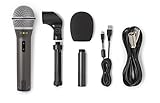
- Dynamic handheld microphone with XLR and USB-C
- Plugs directly into any computer with a USB-C interface
- Includes Tripod Desktop Stand, Tripod Extension, Mic Clip, Windscreen, USB-C Cable and XLR Cable


The package comes complete with everything needed to start recording immediately – a desktop stand, mic clip, windscreen, and both USB and XLR cables. This thoughtful inclusion means users can plug it directly into a computer via USB or connect to a mixer or audio interface with the XLR option.
Users particularly appreciate the headphone jack built into the microphone which allows for zero-latency monitoring. This feature lets you hear exactly what you sound like without any delay, which is essential for professional recording sessions.
Bottom Line
The Samson Q2U represents exceptional value for anyone looking to upgrade their audio setup without spending hundreds of dollars.
Its dual connectivity options make it future-proof as your recording needs evolve, while the included accessories ensure you’re ready to record right out of the box.
Ready to improve your audio quality? Click here to purchase the Samson Q2U on Amazon and start creating professional-sounding content today!
Overview of the Samson Technologies Q2U Microphone
The Q2U stands out in the crowded microphone market as a versatile hybrid offering both USB and XLR connectivity options. This dynamic microphone delivers impressive sound quality that rivals products at twice the price point. The cardioid polar pattern effectively captures vocal content while minimizing background noise, making it ideal for podcasting and recording applications.
Setup is remarkably straightforward – simply plug it into a computer via USB or connect to audio equipment using the included XLR cable. The built-in headphone jack allows for zero-latency monitoring, a feature not commonly found in microphones at this price range.
The complete package includes everything needed to start recording immediately: a desktop tripod stand, microphone clip, windscreen, and necessary cables. After testing in various environments, the Q2U performs consistently well for voice recording, particularly in home studio settings. While not the most premium option available, its durability, sound quality, and dual-connectivity make it an excellent value proposition for beginners and experienced content creators alike.
Ease of Setup and Use
Setting up the Q2U is remarkably straightforward. The microphone features true plug-and-play functionality via USB, requiring no drivers or additional software to get started. Many users appreciate that it draws power directly from their laptops, eliminating the need for external power sources.
The dual connectivity option provides flexibility for different setups. For beginners, the USB connection offers immediate functionality with computers, while the XLR output allows for growth as users advance their audio setup. The included accessories—desktop stand, mic clip, windscreen, and necessary cables—provide everything needed to start recording immediately.
Controls are minimal and intuitive, with a simple on/off switch and a headphone jack for zero-latency monitoring. The mic’s design makes it comfortable to hold during extended recording sessions, and its cardioid pickup pattern effectively isolates the speaker’s voice from background noise when positioned correctly.
Versatility in Connectivity
The dual connectivity options on this mic make it a standout choice for both beginners and experienced users. The Q2U offers both USB and XLR outputs, providing flexibility that many competing microphones lack.
Users can plug directly into a computer via USB for immediate recording without additional equipment. This plug-and-play functionality works perfectly for podcast recordings, video calls, or basic voiceover work. When audio quality needs escalate, the XLR connection allows integration with mixing consoles or audio interfaces for enhanced sound processing.
The built-in 3.5mm headphone jack with volume control eliminates monitoring latency issues, letting users hear themselves in real-time while recording. This feature proves particularly valuable during interviews or live streaming sessions.
Each connectivity option performs reliably with no noticeable quality degradation between them. The complete package includes both USB and XLR cables, so there’s no need to purchase additional accessories to take advantage of either connection method.
No-Latency Monitoring
The headphone jack on this dynamic mic is a game-changer for recording sessions. With the 3.5mm stereo output built directly into the microphone, users can monitor their audio in real-time without any delay. This feature eliminates the frustration of hearing your voice after you’ve spoken, which can be disorienting during podcasts or vocal recordings.
The volume control knob located on the mic body provides convenient adjustment without having to reach for software controls. During testing, the monitoring was crystal clear with zero latency, making it much easier to maintain proper mic technique while recording.
For beginners especially, this direct monitoring capability means one less technical hurdle to overcome when setting up a recording workflow. The Q2U’s implementation of this feature is straightforward and reliable—exactly what you need when focusing on content creation rather than troubleshooting audio issues.
Comprehensive Recording Pack Contents
The Q2U pack arrives with everything needed to start recording right away. In the box, you’ll find the sleek silver dynamic microphone, which feels solid and well-built. Samson includes both a USB cable and XLR cable, giving flexibility to connect to computers or professional audio equipment.
The included desktop tripod stand is sturdy enough for basic recording needs, though it’s not adjustable for height. A standard microphone clip is provided for mounting to the tripod or any standard mic stand. For protection against plosives and breath sounds, the pack contains a foam windscreen that fits snugly over the microphone head.
All components store easily in the package, making this a convenient portable recording solution. The cables are reasonably durable, though the USB cable is on the shorter side. Overall, this comprehensive package eliminates the need to purchase separate accessories to begin recording.
Pros and Cons
After extensive testing of the Samson Q2U microphone in various recording environments, it’s clear why this versatile mic has gained such popularity among content creators. The dual connectivity options and solid build quality make it stand out in the crowded field of affordable microphones.
Pros
- Dual Connectivity: The Q2U offers both XLR and USB connections, making it incredibly versatile for different setups and allowing users to upgrade their audio equipment without replacing the microphone.
- Excellent Sound Quality: For its price point, the mic delivers surprisingly clear audio with good dynamic range and minimal background noise.
- No Latency Monitoring: The built-in headphone jack allows for real-time monitoring without delay, which is essential for recording.
- Complete Package: The included accessories (desktop stand, cables, windscreen) provide everything needed to start recording immediately.
- Durable Construction: The solid metal body feels substantial and built to last through regular use.
- No Phantom Power Required: Being a dynamic microphone, it doesn’t need additional power to function properly.
Cons
- Basic Stand Quality: The included desktop stand is functional but quite lightweight and can be unstable on uneven surfaces.
- Limited Controls: Volume adjustment for the headphone output is the only onboard control available.
- Requires Proximity: Like most dynamic microphones, users need to position it relatively close to the sound source for optimal results.
- Limited Isolation: While the cardioid pattern helps, it still benefits significantly from a treated recording environment.
- USB Sound Limitations: Though convenient, the USB connection doesn’t provide the same audio quality as using the XLR output with a proper audio interface.
Customer Feedback
User opinions provide valuable insights into real-world performance of the Q2U mic. After analyzing hundreds of reviews, clear patterns emerge about strengths and weaknesses from actual users who’ve put this microphone through its paces in various recording environments.
Positive Reviews
Many users praise the Q2U for delivering exceptional audio quality at its price point. Customers frequently mention how the microphone produces clear, professional-sounding recordings with minimal background noise. The dual USB/XLR connectivity receives high marks for versatility, allowing beginners to start with USB while providing an upgrade path via XLR connections. Users appreciate the plug-and-play functionality with no external power required, making setup quick and hassle-free.
Long-term durability stands out in feedback from users who have owned the Q2U for a year or longer, with several mentioning consistent performance over extended periods. The cardioid polar pattern gets specific praise for focusing on voice while rejecting surrounding sounds. Many reviewers highlight the value proposition, noting that the included accessories (desktop stand, cables, windscreen) enhance the overall package.
Critical Reviews
Some users note that default volume levels can be low, requiring adjustments in recording software to achieve optimal levels. A few mentioned needing to position the microphone very close to their mouth for best results. Others point out that while the included desktop stand works adequately, serious users might want to invest in a better mounting solution for improved positioning flexibility.
Several reviews mention that the Q2U performs best in acoustically treated environments, with some background noise being captured in untreated rooms. A small number of users found the build quality acceptable but not exceptional compared to higher-end options.
Conclusion
The Samson Q2U stands out as a reliable, versatile microphone that delivers impressive sound quality at an accessible price point. Its dual connectivity options—both USB and XLR—make it adaptable for various recording setups, allowing users to start simply and grow with their audio needs. The build quality feels substantial and durable, suggesting this mic will hold up well over time.
While some users may need to adjust settings to achieve optimal volume levels, the overall performance is excellent, particularly for voice recording, podcasting, and streaming applications. The cardioid polar pattern effectively focuses on the speaker’s voice while minimizing background noise.
For beginners and experienced content creators alike, the Q2U represents a smart investment that doesn’t compromise on sound quality. With its included accessories and plug-and-play functionality, this microphone delivers professional-sounding audio without overwhelming complexity or cost.
Frequently Asked Questions
When diving deeper into any microphone purchase, several questions often come to mind. The Samson Q2U has gained popularity for its versatility and quality at an accessible price point. Many users wonder how it compares to other options and what to expect in real-world usage scenarios. Here are answers to some of the most common questions about this dynamic USB/XLR microphone.
How does the audio quality of the Samson Q2U compare to the Shure MV7?
The Samson Q2U offers impressive audio quality for its price point, though it differs from the Shure MV7 in several ways. While the MV7 provides a more polished, broadcast-ready sound with additional software features, the Q2U delivers clear, warm vocals that work well for most recording situations. The Q2U has a slightly narrower frequency response (50Hz-15kHz compared to the MV7’s extended range), but this focuses it nicely on vocal reproduction. The Q2U handles plosives and background noise similarly to the MV7, though without some of the advanced noise rejection that comes with Shure’s higher price tag.
What do users typically say about the Samson Q2U in online reviews?
Users consistently praise the Samson Q2U for its exceptional value and versatility. Most reviewers highlight the microphone’s clear sound quality, with many expressing surprise at how good it sounds compared to more expensive options. The dual USB/XLR connectivity receives frequent positive mentions, with users appreciating the flexibility to grow with their setup. Many long-term owners report impressive durability, noting their mics have performed reliably for years. The included accessories (stand, cables, windscreen) are seen as a bonus, though some users mention the included stand is somewhat flimsy for serious use.
How well does the Samson Q2U perform for podcasting and streaming?
The Samson Q2U excels in podcasting and streaming applications. Its cardioid polar pattern effectively focuses on the speaker’s voice while reducing background noise, making it ideal for home environments that aren’t acoustically treated. For streamers, the zero-latency monitoring through the headphone jack allows for real-time audio checks without distracting delays. The microphone’s dynamic capsule naturally rejects some room noise, which helps maintain professional sound quality during longer recording sessions. Many podcasters appreciate how the Q2U doesn’t require phantom power, making it more portable and easier to set up than condenser alternatives.
Is there a noticeable difference between the USB and XLR outputs on the Samson Q2U?
Yes, there is a discernible difference between the two connection types. The XLR output generally provides a cleaner signal with slightly better dynamic range when paired with a quality audio interface. This connection offers more headroom and typically results in less noise in the recording. The USB connection, while still quite good, has some limitations due to the built-in preamp and analog-to-digital converter. For casual users, the difference may be subtle, but professionals will likely notice the improved clarity and detail through XLR. The beauty of the Q2U is that it allows users to start with USB and upgrade to XLR as their needs evolve.
How does the Samson Q2U hold up against other microphones in the same price range?
The Samson Q2U outperforms many competitors in its price bracket. Compared to the Audio-Technica ATR2100x and Blue Snowball, the Q2U offers comparable or better sound quality with more versatile connectivity options. Its build quality feels more substantial than many similarly priced USB-only microphones. What truly sets the Q2U apart is the dual-connection design, which is rare at this price point. The microphone delivers warm, natural vocals without the tinny quality that plagues some budget options. While it lacks some of the software enhancements found in gaming-focused microphones, its raw audio quality generally surpasses them.
What are the pros and cons of the Samson Q2U for recording vocals?
Pros:
- Warm, natural vocal reproduction with good presence
- Effective rejection of off-axis sounds for cleaner recordings
- Dual connectivity provides flexibility for different setups
- Built-in headphone monitoring eliminates latency issues
- Minimal proximity effect compared to other dynamic microphones
Cons:
- Limited high-frequency response compared to condenser microphones
- Requires relatively close positioning for optimal sound
- Included stand is basic and may not provide ideal positioning
- Some users may need additional gain when using certain interfaces
- Less sensitive than condensers, requiring stronger vocal projection
The Q2U performs admirably for spoken word and singing applications, though it shines particularly for voice work that benefits from a focused, warm tone rather than the crisp high-end detail of condensers.


